
Can Bitewing Radiographs Detect Cavities Earlier Than Exams?
Identifying issues before they worsen is essential for maintaining healthy teeth. Dentists can assess your oral health with the use of routine dental checkups. Nevertheless, some holes form in places that are difficult for the eyes to notice. These concealed regions may be found using a bitewing dental X-ray before symptoms manifest.
Smaller and more straightforward therapies are possible with early discovery. Additionally, it shields natural teeth from serious harm. Patients are better able to make judgments regarding preventative dental treatment when they are aware of how bitewing imaging works.
Understanding How Hidden Cavities Are Found
Dental examinations are still necessary to keep teeth healthy. Every tooth, gum, and surrounding tissue is meticulously examined by dentists. Visual tests do have certain restrictions, however. In between teeth, little cavities can form without any obvious symptoms. A deeper look at these concealed regions is possible using bitewing imaging.
It enables dentists to identify issues before they cause discomfort. Early detection lowers treatment costs and preserves tooth structure. By spotting issues that routine exams may overlook, bitewing dental X-ray technology promotes preventative dentistry.
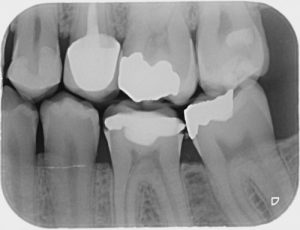 Why Bitewing Images Detect Hidden Tooth Decay?
Small Issues Become Easier to Handle
Treatment for early cavities is easier. Affected teeth are often effectively restored with little filling. Larger cavities often need root canals or crowns. Treatment complexity is decreased by early decay detection.
Less time is spent by patients in the dentist’s chair. Additionally, their treatment expenses are reduced. Comfort and general oral health are enhanced by preventive diagnosis. Teeth are protected by minor treatments before significant harm is done.
What Eyes Can’t See, X-Rays Can
Dental mirrors provide useful visual data. They are unable to identify internal tooth damage, however. Images of bitewings reveal surfaces that are buried between teeth. These pictures are frequently used by dentists to assess bone levels. The accuracy of the diagnosis is increased by this extensive picture.
Improved treatment planning is supported by greater information. Instead of relying just on outward symptoms, patients get treatment based on comprehensive dental results. Every standard inspection is strengthened with a bitewing dental X-ray imaging.
Tooth Structure Is Protected by Early Diagnosis
Over time, every untreated cavity becomes bigger. Healthy enamel is preserved by early diagnosis. Less natural tooth material is removed with smaller restorations. Long-term strength is enhanced by maintaining dental structure.
For many years, healthy teeth continue to work. Future dental health is always improved by preventive care. Early decay detection promotes more conservative dental treatment and improved results overall.
Early Detection Benefits Children
Cavities between developing teeth are common in children. Early imaging facilitates the prompt identification of these regions. Baby teeth should be well-protected. Permanent teeth are appropriately guided by healthy primary teeth.
Additionally, early intervention reduces infantile suffering. Throughout growth, regular monitoring promotes healthier smiles. Preventive treatment fosters good oral habits that last a lifetime.
Patients at High Risk Require Continual Monitoring
Cavities occur more commonly in some patients. The danger of rotting is increased by a dry mouth. Oral health is also impacted by frequent use of sugary foods. Higher future risk is indicated by prior cavities.
For these individuals, dentists advise routine imaging. When necessary, monitoring enables earlier intervention. Preventive treatment maintains healthy smiles while lowering the risk of future dental issues.
Why Is Improved Oral Health Supported by Early Detection?
Preventing dental discomfort is not the only advantage of early cavity detection. Smiling, eating, and speaking are all made more pleasant with healthy teeth. The goal of preventive dentistry is to avert major issues wherever feasible. A crucial component of long-term dental treatment is routine imaging. Through regular preventative monitoring, bitewing dental X-ray exams promote healthier smiles.
More Teeth Are Preserved with Smaller Fillings
Extensive treatment is necessary for large cavities. Drilling is less necessary for small cavities. Teeth are strengthened by maintaining good enamel. Long-term durability is also enhanced by conservative treatment. Stronger natural teeth assist patients. In general, smaller repairs are more comfortable. Healthy dental tissue is efficiently protected by early diagnosis.
Dental Expenses Remain More Controllable
Compared to complicated operations, minor treatments are often less expensive. Future costs are decreased by early fillings. Crowns or root canals are often necessary if treatment is delayed. Over time, preventive dentistry reduces costs. Frequent exams turn into worthwhile long-term investments. Additionally, adopting healthy behaviors lowers future dental expenses.
Improved Documentation Enhances Future Care
Dental pictures provide useful medical records. On subsequent appointments, dentists compare changes. Monitoring minor issues becomes simpler. Decisions about treatment become increasingly precise. Preventive planning is enhanced by long-term data. Regular monitoring promotes better results over the course of a lifetime.
Patients Have Greater Self-Assurance
You may rest easy knowing that your teeth are healthy. Frequent monitoring minimizes unanticipated dental shocks. Patients have a better understanding of their dental health. Maintaining preventative care is encouraged by confidence. Every day, comfort and self-esteem are enhanced by healthy smiles. Maintaining routine examinations becomes simpler.
In conclusion
Maintaining healthy teeth still requires regular dental examinations. However, for a precise diagnosis, concealed cavities often need further imaging. Early diagnosis minimizes the need for further treatment while preserving natural teeth. Lower long-term dental bills and healthier mouths are two benefits of preventive treatment.
Get in touch with NIKAHD DENTAL right now if you need expert assessments utilizing bitewing radiographs. To preserve your smile for years, our skilled staff offers comprehensive exams, individualized treatment, and cutting-edge diagnostic technologies.
FAQs
- What may be seen on bitewing radiographs?
Bitewing radiographs show the amount of supporting bone, fillings, and cavities between teeth. They assist dentists in identifying issues that are not apparent during standard eye inspections.
- Are dental X-rays of bitewings safe?
Indeed, very little radiation is used in modern dental X-rays. In addition to lowering exposure, protective gear offers crucial diagnostic data for improved dental health.
- How often should radiographs of the bitewing be taken?
Your cavity risk determines the timetable. While high-risk patients may need more regular imaging, many people only need it once every one to two years.
- Can gum disease be identified by bitewing radiographs?
Indeed. They aid dentists in assessing the amount of bone around teeth. Bone loss might be a sign of gum disease and help determine the best course of action.