
Cosmetic dental bonding is one of the fastest, most effective ways to repair a chipped front tooth. Using a tooth-colored composite resin, this procedure restores your tooth’s natural shape and appearance, usually in a single visit, while preserving as much of your healthy enamel as possible. For many patients, teeth bonding provides an affordable, comfortable, and minimally invasive solution for a damaged smile.
How Cosmetic Dental Bonding Repairs Chipped Front Teeth
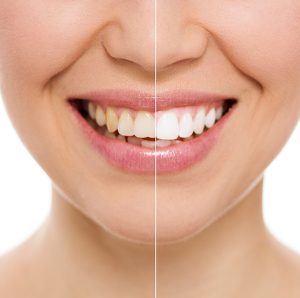
When you chip a front tooth, whether from an unexpected injury, biting into hard food, or everyday wear, getting it fixed quickly is a top priority. Front tooth bonding seamlessly repairs visible damage by carefully matching the shade, translucency, and shape of your surrounding teeth.
According to the clinical team at Nick Dental, cosmetic dental bonding is ideal for patients with small to moderate enamel fractures where the tooth’s underlying root and structure remain healthy and stable.
The Step-by-Step Bonding Process
-
Surface Preparation: Your dentist gently etches the tooth’s surface to create a secure anchor for the bonding material. Local anesthesia is rarely needed unless the chip is very close to the nerve.
-
Resin Application: A liquid conditioning agent is applied, followed by a flexible composite resin precisely shade-matched to your surrounding teeth.
-
Sculpting and Curing: Your dentist artistically shapes the resin to replicate natural tooth contours. A specialized curing light then hardens the material in seconds.
-
Final Polishing: The restored area is smoothed and polished to match the natural sheen of your enamel, leaving your chipped tooth bonding virtually invisible.
 Key Benefits of Bonding for Front Teeth
Quick, Single-Visit Treatment: Most chipped front tooth repair procedures take just 30 to 60 minutes per tooth, allowing you to walk out with a fully restored smile the same day.
Preserves Natural Tooth Structure: Unlike more invasive options, cosmetic dental bonding requires minimal to no enamel removal, keeping your underlying tooth strong and intact.
Affordable and Accessible: Teeth bonding is one of the most cost-effective cosmetic treatments available, offering high-impact results without the higher price tag of lab-crafted restorations.
Immediate Cosmetic Results: Instantly corrects minor chips, subtle gaps, and surface discoloration without the need for temporary covers or long wait times.
Dental Bonding vs Alternative Restorative Options
Choosing the right treatment depends on the size of the chip, your long-term goals, and your budget. During a comprehensive Dental Examination, your dentist will evaluate whether cosmetic dental bonding or an alternative restoration is best for your smile.
-
Ideal For:
-
Cosmetic Dental Bonding: Small to moderate chips and gaps
-
Porcelain Veneers: Major cosmetic enhancements
-
Dental Crowns: Severe damage or structurally weak teeth
-
-
Appointments Needed:
-
Cosmetic Dental Bonding: 1 Visit (30 to 60 minutes)
-
Porcelain Veneers: 2 to 3 Visits
-
Dental Crowns: 2 Visits
-
-
Enamel Removal:
-
Cosmetic Dental Bonding: Minimal to none
-
Porcelain Veneers: Moderate
-
Dental Crowns: Significant
-
-
Expected Lifespan:
-
Cosmetic Dental Bonding: 3 to 10 Years
-
Porcelain Veneers: 10 to 15+ Years
-
Dental Crowns: 10 to 15+ Years
-
-
Reversibility:
-
Cosmetic Dental Bonding: Fully Reversible
-
Porcelain Veneers: Irreversible
-
Dental Crowns: Irreversible
Clinical Insight: If a chip extends deep into the inner layers of the tooth or compromises its structural strength, our dentists may recommend Porcelain Veneers for enhanced durability or a protective Dental Crown to prevent further fractures.
-
How to Care for Bonded Teeth and Extend Their Lifespan
With good oral hygiene and proper habits, high-grade composite resin bonding can last between 3 and 10 years. Here is how to keep your restored smile looking its best:
-
Maintain Good Daily Hygiene: Brush twice daily with a non-abrasive fluoride toothpaste and schedule a professional Teeth Cleaning every six months.
-
Avoid Hard Objects: Refrain from biting ice, fingernails, pens, or hard candies, as heavy pressure can chip the composite material.
-
Minimize Staining Agents: Composite resin can absorb stains over time. Limit coffee, tea, red wine, and tobacco products, especially in the first 48 hours after treatment.
-
Protect Against Teeth Grinding: If you grind your teeth at night, ask your dentist about a custom nightguard to protect your teeth bonding from nighttime pressure.
Restore Your Smile at Nick Dental
If a chipped front tooth is keeping you from smiling with confidence, the team at Nick Dental is here to help. Whether you need urgent care from an Emergency Dentist or want to explore subtle cosmetic upgrades with cosmetic dental bonding, we offer gentle, personalized care tailored to your needs.
Contact Nick Dental Today to schedule your consultation and find out if teeth bonding is the right fit for your smile.
Frequently Asked Questions
1. How long does cosmetic dental bonding last on a front tooth?
On average, cosmetic dental bonding lasts between 3 and 10 years. Its overall lifespan depends on your daily oral hygiene, eating habits, and whether you avoid heavy forces like teeth grinding or biting hard objects.
2. Does the teeth bonding procedure hurt?
No. Teeth bonding is virtually painless and minimally invasive. Because the treatment primarily involves the outer layer of enamel, most patients do not even need local anesthesia.
3. Can bonded teeth be whitened if they get stained?
No. Composite resin does not respond to traditional tooth whitening gels. If you plan to whiten your smile, it is best to complete your whitening treatment before getting teeth bonding so your dentist can match the resin to your new, brighter shade.
4. What should I do if my chipped tooth starts hurting?
If a chipped tooth causes sharp pain or sensitivity to hot and cold, seek prompt evaluation from an Emergency Dentist. Pain usually indicates that the fracture is close to the nerve and requires immediate clinical attention beyond cosmetic dental bonding.
5. Can dental bonding fix large chips or broken teeth?
Teeth bonding is ideal for small to moderate chips. If a significant portion of the tooth is missing or weakened, treatments like Porcelain Veneers or Dental Crowns provide better long-term strength and protection.