
Old silver fillings can change over time. Their appearance may also bother patients. Composite fillings offer a more natural-looking alternative. They can repair teeth while matching natural tooth color. However, replacement depends on each tooth’s condition. Dentists first examine the existing filling carefully.
They may also check surrounding tooth structure. This helps determine the safest treatment approach. Patients often want comfort and natural-looking results. Understanding the process of the best tooth filling can make decisions easier. This guide explains what patients should consider.
How Can Composite Fillings Replace Older Silver Fillings?
Dentists First Check Your Existing Silver Filling
Replacing an old filling starts with an examination. Dentists check the filling and surrounding tooth structure. They look for visible cracks or leakage. They also assess possible decay around existing fillings. Your symptoms can provide additional helpful information. Sensitivity may indicate an underlying dental concern. However, sensitivity alone cannot confirm filling problems.
Dental imaging may sometimes support the examination. The dentist then determines whether replacement makes sense. This approach avoids unnecessary dental treatment. It also protects healthy tooth structure whenever possible. The best tooth filling depends on your needs. Material choice should follow your specific dental condition.
Composite Fillings Can Repair Teeth After Decay
Dental fillings commonly treat teeth affected by cavities. Dentists remove damaged tooth structure before filling. Composite material then restores the affected tooth. The goal involves restoring function and tooth shape. Treatment can also improve the tooth’s appearance. Patients often appreciate both benefits of composites. However, treatment depends on the remaining healthy tooth structure. Larger damage may require another restorative option.
Your dentist can explain suitable choices beforehand. This prevents unrealistic expectations about filling treatment. It also helps patients understand their treatment plan. A dental composite filling can provide useful restoration. The dentist still decides whether composite suits you.
Dentists Consider The Filling’s Location Carefully
Not every filling experiences the same chewing pressure. Back teeth usually handle stronger biting forces. Front teeth experience different functional demands each day. Composite materials can work in different locations. However, dentists consider each tooth’s specific circumstances. They assess size, position, and remaining tooth structure.
Your bite can also influence material selection. Grinding may place additional stress on restorations. Certain habits can also affect filling longevity. Dentists consider these factors before recommending replacement. This helps reduce avoidable restoration problems later. Patients should mention any unusual bite discomfort. Clear communication supports better treatment planning.
Composite Fillings Can Support A Conservative Approach
Dentists aim to preserve healthy tooth structure. This principle matters during restorative dental treatment. Replacing fillings requires careful removal of materials. The dentist must also assess the underlying tooth. Composite restoration may restore the prepared area afterward. Treatment remains focused on the affected tooth. However, every replacement requires individual clinical judgment.
The amount of existing damage matters significantly. So does the strength of remaining tooth structure. Your dentist can explain these factors clearly. This helps patients understand why recommendations differ. The best tooth filling in Corona varies. The right choice depends upon individual dental needs.
Dentists Can Explain What Replacement Involves
Patients often feel uncertain before replacing fillings. Knowing the process can reduce that uncertainty. The dentist first examines the affected tooth. They may recommend imaging when appropriate. Existing material is then carefully evaluated. If replacement is suitable, treatment can be planned. The old filling gets removed during treatment.
The tooth receives the necessary preparation afterward. Composite material is then placed and shaped. A curing light helps harden the material. The dentist checks the bite before finishing. These steps help restore comfortable everyday tooth function. Your dentist can explain each step beforehand.
Why Could Composite Fillings Be Better For Your Smile?
Choosing materials can feel confusing without professional guidance. Patients may focus only on appearance or cost. Dentists consider broader factors during treatment planning. They assess tooth location, damage, and chewing pressure. They also consider existing dental work nearby. Your personal goals can influence the final decision.
Composite may suit some patients especially well. Another restorative material may suit others better. There is no universal material. The best option depends upon your individual circumstances. Ask questions before agreeing to treatment. 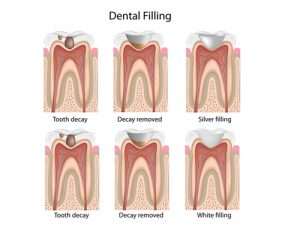 Clear information can make decisions feel much easier.
What Should You Know Before Replacing Silver Fillings?
Some dental problems remain difficult to see directly. X-rays can provide additional information when needed. Bitewing imaging can show certain areas between teeth. It can also help identify decay between teeth. Other X-rays provide different views when necessary.
Your dentist chooses imaging based on your needs. These images support the clinical examination process. They do not replace direct professional evaluation. Together, findings can create a clearer picture. This helps dentists plan appropriate restorative treatment. Patients should ask questions about recommended imaging. Understanding its purpose can make visits less stressful.
In Conclusion
Composite fillings can provide natural-looking restorative results. However, replacement decisions require individual dental assessment. Existing silver fillings may still function properly. Others may develop wear, decay, or damage. Your dentist can determine the appropriate next step. Material selection should consider health and appearance.
If you are considering replacement, contact Nikahd Dental. Our team can discuss your restorative options. The best tooth filling in Corona depends. Your individual dental needs should guide treatment decisions. Professional evaluation can help protect your smile.
FAQs
1. Can old silver fillings cause problems later?
Older fillings may develop cracks, wear, or surrounding decay. However, age alone does not indicate failure. A dentist should examine each restoration before recommending replacement.
2. Can composite fillings match very dark teeth?
Composite materials come in several tooth-colored shades. Existing discoloration can affect matching results. Your dentist can explain realistic shade expectations before placing the restoration.
3. Can replacing fillings damage healthy tooth structure?
Removing an existing filling requires careful preparation. Some surrounding tooth structure may require removal. Dentists generally aim to preserve as much healthy structure as possible.
4. Why does my old filling feel uncomfortable?
Discomfort can have several possible causes. The filling itself may not always cause symptoms. A dental examination can help identify the underlying issue.
5. Can composite fillings become discolored?
Composite restorations can change appearance over time. Coffee, tea, and other staining substances may contribute. Regular dental care can help maintain their appearance.