
A dental bridge can improve both appearance and function. It restores confidence and fixes leaks. But after therapy, appropriate care is still important. Some behaviors may reduce the lifespan of restoration.
Even minor errors can affect oral health and comfort. Knowing what to avoid can help you keep your results. Dental bridge front teeth restorations often provide lasting benefits to patients who follow the care guidelines we recommend and practice good daily habits.
Which Habits Can Affect Your Dental Bridge Results?
Ignoring Aftercare Instructions from Your Dentist
Aftercare instructions promote recovery and long-term success. Dentists will give you advice based on your treatment needs. Ignoring these recommendations may create additional problems. Little problems could grow into bigger ones over time. Following the guidelines helps preserve the bridge and the teeth surrounding it.
It also makes recovery more comfortable.” “If something doesn’t make sense, patients should ask questions.” Taking the time to do it right in the beginning often yields the best long-term results and the best experience overall.
Eating Tough Foods Too Fast
It takes time to get used to the bridge in your mouth. Hard meals might put undue strain on it. Things like hard candies, ice, etc., can be harmful. Start with soft foods. It is safer.
Risk might be reduced by a gradual return to usual eating habits. This helps to promote comfort and stability. Many people with dental bridge front teeth restorations find that it is helpful to make thoughtful choices about their diet during the transitional period.
Instruments of the Teeth
Some people open bottles or packages with their teeth. This is self-injurious behavior. It can harm your natural teeth and dental work. Bridges are for eating, not for other things. The right tools can save you from problems that could have been avoided.
The healing has to be protected by conscious daily practices. Don’t use too much force, and things will last longer and be less likely to get damaged.
Too vigorous brushing
Brushing is important. But technique is the key. Excessive force may irritate gums. It may also affect surrounding tissues. Light brushing can do the job without damaging. Soft-bristled toothbrushes are commonly advised.
Brushing well and often helps to maintain comfort and hygiene. Patients with dental bridge front teeth restorations need to be careful but gentle with their oral hygiene.
Disregarding Small Fit or Comfort Changes
A bridge must be safe and comfortable. A change in fit may indicate a problem. Discomfort or sensitivity should not be ignored. Addressing a problem early can prevent it from becoming worse.
Dentists can diagnose the cause and suggest treatment. Frequently, better results are achieved by dealing with things quickly. Keeping track of changes helps to protect the repair as well as the teeth around it.
Too much time is being spent reporting issues
Some patients will wait to call the dentist. They think problems will solve themselves. Unfortunately, problems generally worsen over time. Prompt communication allows for early intervention.
Better to treat early than to have bigger problems. The professional review gives you clarity and certainty. Early reporting of problems supports oral health and bridge protection.
Why is Routine Bridge Maintenance Important?
Keeping Supporting Teeth Safe
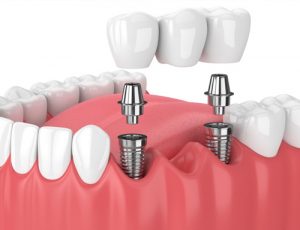
A dental bridge requires anchoring teeth to hold it in place. These teeth are very important. If they get weaker, it will affect the bridge. With daily care, they are strong and healthy.
Regular checkups, brushing, and flossing are a must. Good behaviors decrease the likelihood of deterioration and injury. The abutment teeth should be maintained to promote good dental health and bridge longevity.
Maintaining a Natural Look
Cosmetically, dental bridges are usually the best choice. A neat bridge looks more natural and inviting. Plaque and stains can affect attractiveness over time. The bridge face is kept in good condition by regular maintenance.
Healthy gums also enhance the overall smile. Regular maintenance supports both look and functionality. A well-maintained bridge may keep its natural appearance for many years.
Promoting Comfortable Eating
A solid bridge should make eating enjoyable. But performance could be affected by a lack of maintenance. If food particles are left behind, they can cause irritation. Regular cleaning helps you to stay comfortable when you eat.
Healthy support teeth also help with chewing ability. Patients with good treatment can eat more varied meals. Consistent routines help maintain comfort and functionality.
How Can You Easily Maintain Your Bridge’s Health?
Keeping Your Cleaning Routine Regular
‘A lot of it is consistency,’ she said. When you brush every day, plaque and food particles are removed. Flossing will clean out problem areas around the bridge. Developing good habits avoids many common problems.
Cleaning must be done every single day. A simple routine promotes tooth and gum health. Long-term success is often the result of practicing these basic habits regularly.
How to Protect Your Teeth During Sports
Sports injuries can cause damage to teeth and restorations. Mouthguards are important for protection during activities. They reduce the impact of an accidental touch. Athletes should talk to their dentist about choices that are appropriate.
Preventive measures support the longevity of the dental bridge front teeth. A mouth guard can prevent unnecessary damage and future medical procedures to your smile when involved in vigorous activities.
Summary
A dental bridge can restore both appearance and function. However, it does need proper care to ensure success over the long term. Prevent bad habits that will help better protect the restoration as well as other supporting teeth. Regular dental checkups, good eating habits, and daily cleaning are all crucial.
Small changes can be noticed and help prevent bigger problems down the road. If you have any questions about your bridge or need professional care for dental bridges in Corona, please contact Nick Dental for advice and customized treatment recommendations.
FAQ
- How often should I visit the dentist?
The answer is every six months. Many people skip this. But whether your doctor recommends it or not, just visit.
- Do dental bridges look natural on humans?
So, the answer to this is yes. Actually, modern bridges are made in a way that looks natural.
- Can gum disease affect a dental bridge?
In fact, gum disease can shorten the lifespan of bridges and jeopardize the supporting systems.
- What is the right time to talk with my dentist?
If you feel pain, looseness, sensitivity, or discomfort, call your dentist immediately.