
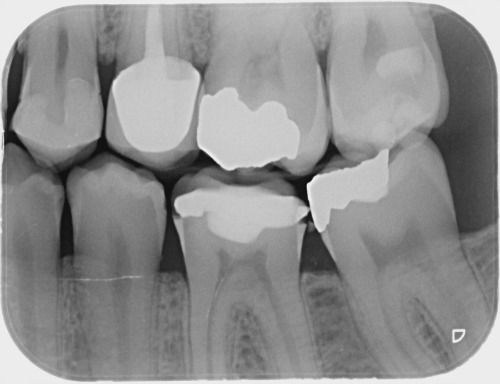
You sit back in the dental chair. The hygienist slides a small piece of film into your mouth. They ask you to bite down. That moment feels routine. But what happens next is anything but ordinary. Bitewing x-rays dentists use regularly are one of the most powerful diagnostic tools in modern dentistry. They reveal hidden decay. They spot early bone loss. They find problems between teeth that no mirror or probe can reach
If you have ever wondered what that small X-ray actually does for your dental health, keep reading. This blog breaks it all down clearly.
What Is a Bitewing X-Ray?
A bitewing X-ray is a specific type of dental image. It captures the upper and lower teeth in one single frame. The name comes from the small tab or wing attached to the film or sensor. You bite down on that tab to hold the film steady during imaging. The result is a clear side-view image showing the crowns of several teeth at once. It shows the area where the upper and lower teeth meet. It also captures the bone supporting those teeth.
What does a Bitewing X-Ray Actually Detect?
This is the heart of the question. The answer is more than most people expect. A bitewing dental X-ray can identify several conditions that remain completely invisible during a standard oral exam.
Interproximal Cavities
These are cavities that form between teeth. They hide in the tight contact points where two teeth touch. No amount of visual examination can spot them reliably. Even flossing might not reveal them until they are already well established. A bitewing X-ray shows these cavities clearly. They appear as small dark spots in the enamel or dentin on the image. Catching them early means a small filling instead of a large restoration.
Secondary Decay Under Existing Fillings
Teeth with old fillings can develop new decay underneath or around those fillings. This is called secondary or recurrent decay. It is tricky to detect clinically. The filling itself blocks a direct view. A bitewing X-ray cuts right through that problem. It reveals dark areas beneath the filling material. Your dentist can then decide whether the old filling needs replacement before more serious damage occurs.
Early Signs of Gum Disease
Bitewing x-rays, Corona dental offices rely on them to monitor bone levels between visits. The bone supporting your teeth sits between and around each tooth. When gum disease begins, this bone slowly disappears. A bitewing X-ray shows the height of that bone clearly. Your dentist compares current images with older ones. A decrease in bone height signals early gum disease even before you feel any symptoms. Early detection here genuinely changes outcomes.
Calculus Buildup Between Teeth
Calculus is hardened tartar. When it builds up between teeth, it appears on the X-ray as a bright, dense mass. Your dentist and hygienist use this finding to target those areas during cleaning. Calculus below the gum line accelerates bone loss if left in place. Identifying it early means removing it before serious damage starts.
Cracked Tooth Syndrome
Hairline cracks in teeth are notoriously difficult to detect. They often cause intermittent pain. Patients describe sensitivity when biting down or releasing pressure. A bitewing X-ray may reveal the crack depending on its angle and location. While not every crack shows on film, the image provides valuable supporting evidence. Combined with a clinical exam and patient history, it helps confirm the diagnosis.
How Bitewing X-Ray Differs From Other Dental X-Rays
Not all dental X-rays are the same. Each type serves a different purpose. A periapical X-ray focuses on the full length of one or two teeth, including the root tip. A panoramic X-ray captures the whole mouth in a wide, sweeping image. A bitewing X-ray sits in its own category. It focuses specifically on the crowns and the spaces between teeth. It does not show the full root. But it gives exceptional detail in the areas where cavities most often form. That focused detail is exactly what makes it so valuable.
Conclusion
Hidden problems do not disappear on their own. They grow. They deepen. They become more expensive and more painful over time. That is the hard truth about dental decay and bone loss. But you have a powerful tool working in your corner. Bitewing x-rays, the Corona dental teams use them to find what eyes alone cannot see. They catch cavities between teeth before they become root canals. They track bone loss before it threatens tooth stability. And, they find decay under old fillings before damage spreads deeper. A bitewing dental X-ray is not just a routine checkbox on your dental visit form. It is a precise diagnostic tool that protects your teeth year after year. Schedule your next dental visit at Nick Dental. Your future smile depends on what gets found today.