
Losing a tooth changes more than your smile. It affects how you eat. It affects how you speak. It also affects how your mouth functions every day. Many people delay treatment. They think one missing tooth is not a big issue. That assumption leads to bigger problems later. The space does not stay empty. Nearby teeth start to shift. The jawbone in that area begins to shrink. This changes your bite over time. Modern dentistry offers two reliable solutions. One is implants. The other is bridges. Many people compare dental implants bridge options before making a decision. Understanding that difference helps you make the right choice.
Lost a Tooth? What It Really Means for Oral Health
Tooth loss happens for many reasons. Tooth decay is one of the most common causes. Gum disease is another major factor. Injury or trauma can also lead to tooth loss. Once a tooth is gone, the changes begin quickly. The gap affects your chewing ability. Food may get stuck in that space. This can increase the risk of further decay. Speech may also change. Certain words become harder to pronounce. This may seem minor, but it affects confidence over time. The biggest change happens below the surface. The jawbone needs stimulation from tooth roots.
When a tooth is missing, that stimulation stops. The bone begins to shrink. Teeth around the gap also shift. They move into the empty space. This creates alignment issues. Ignoring a missing tooth often leads to more complex treatments later. Early action keeps things simple.
Dental Implants Explained — Why Dentists Recommend Them
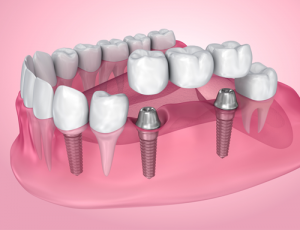
A dental implant replaces a missing tooth. It is a small titanium post. The dentist places it inside the jawbone. Over time, the implant binds with the bone. This process creates a strong foundation. A crown is then placed on top. This makes the replacement feel like a natural tooth. It stays fixed in place. It does not rely on other teeth.
How the implant process works
The process happens in stages.
- The dentist places the implant in the bone
- Healing takes place over a few months
- The implant integrates with the bone
- A custom crown is placed on top
This method takes time but offers strong results.
 When dental implants are a good option
Dental implants work well for many people. They are a strong and long-term solution. You may be a good fit if you have enough jawbone. The bone must support the implant firmly. Healthy gums are also important. Gums help keep the implant stable over time. You should not have active gum disease. This can affect healing and success. Even if bone is low, you still have options. Dentists can add bone through a graft. This improves support for the implant. A proper checkup will confirm everything. The dentist will guide you based on your condition.
Why implants are often preferred
Many dentists consider implants the best Dental Implants solution for long-term use. They last many years. In many cases, they last decades. They also protect bone health. They prevent bone loss by providing stimulation. They do not affect nearby teeth. This is a major advantage.
Dental Bridges Explained — When They Make Sense
A dental bridge fills the gap made by a missing tooth. It uses nearby teeth for support. The dentist places crowns on the adjacent teeth. A false tooth sits between them. This creates a bridge across the gap. The structure stays fixed in place. It restores appearance and function.
How a bridge works
The process is faster than implants.
- The dentist reshapes nearby teeth
- Impressions are taken
- A custom bridge is created
- The bridge is fixed in place
This usually takes a few visits.
When a bridge is a good option
A bridge works well in certain situations.
- When nearby teeth already need crowns
- When bone density is not enough for implants
- When a faster solution is needed
It offers a practical solution for many patients. However, it depends on support from other teeth. This is an important factor.
Dental Implant or Bridge — What Actually Sets Them Apart
Both options solve the same problem. But they differ in several key ways.
- Durability and lifespan
- Implants last longer in most cases. They can last decades with proper care.
- Bridges usually last several years. They may need replacement over time.
- Impact on surrounding teeth
- Implants do not affect nearby teeth. They stand on their own.
- Bridges depend on adjacent teeth. The dentist reshapes those teeth. This can weaken them over time.
- Effect on the jawbone
- Implants stimulate the jawbone. This prevents bone loss.
- Bridges do not provide this benefit. Bone loss may continue under the bridge.
- Time and healing
- Implants take more time. Healing is necessary after placement.
- Bridges are quicker. The process completes in a shorter time.
- Cost and long-term value
- Implants cost more upfront. But they last longer.
- Bridges cost less initially. But they may need replacement. This adds to the long-term cost.
When comparing dental implant bridge options, it is important to look beyond initial cost.
How to Decide Between an Implant and a Bridge
The right choice depends on several factors. No single option fits every case.
When implants are the better choice
Implants work well when long-term stability is important. They are ideal for patients with good bone support. They suit those who want a permanent solution. Many people choose them as the best Dental Implants option for durability.
When a bridge may be more suitable
A bridge may be better when time is limited. It is also useful when bone support is not enough for implants. It can be a practical choice when nearby teeth already need crowns.
Other factors to consider
- Overall oral health
- Budget and financial planning
- Time available for treatment
- Personal comfort with procedures
A dentist evaluates all these factors. Professional advice helps you avoid the wrong choice.
What the Treatment Process Feels Like
Understanding the experience helps reduce anxiety.
Implant treatment experience
The implant procedure is done under local anesthesia. You do not feel pain during placement. Mild discomfort may occur after the procedure. It usually fades within a few days. Healing takes time. The implant integrates with the bone. This step is important for long-term success.
Bridge treatment experience
Bridge treatment is quicker. Tooth preparation is done under anesthesia. You may feel mild sensitivity after the procedure. This improves within a few days. There is no long healing phase like implants. Both options are safe and commonly performed.
Care and Maintenance After Treatment
Proper care increases the life of both implants and bridges.
Caring for dental implants
- Brush twice daily
- Use floss regularly
- Visit the dentist for checkups
- Avoid excessive force on the implant
Caring for dental bridges
- Clean under the bridge carefully
- Use special floss if needed
- Maintain good oral hygiene
- Attend regular dental visits
Common mistakes to avoid
- Ignoring oral hygiene
- Skipping dental visits
- Using teeth to bite hard objects
Good care ensures long-lasting results.
Final Verdict
Replacing a missing tooth is important for long-term health. It is not just about appearance. Both implants and bridges offer effective solutions. Each has its advantages. Dental implants bridge comparisons help you understand what fits your needs. The final decision depends on your condition and goals. Taking action early prevents complications. It also keeps treatment simple. If you have a missing tooth, then do not wait. Schedule a dental consultation with NIKAHD DENTAL. Get a clear evaluation of your condition. Ask about both options. Understand the benefits and limitations. The right choice today can protect your smile for years.
About the Author :
Dr. Nikahd, DDS, is an experienced dental professional at Nikhad Dental with over 10 years of expertise in general, cosmetic, and pediatric dentistry. He earned his Bachelor’s degree from the University of Houston and his Doctor of Dental Surgery (DDS) from the University of Texas School of Dentistry.
Dr. Nikahd specializes in dental implants, bridges, and smile restoration treatments, providing patient-focused care using advanced dental techniques. He previously practiced in Houston before relocating to Southern California.
Outside of dentistry, he enjoys spending time with his family, playing soccer, and outdoor activities.