
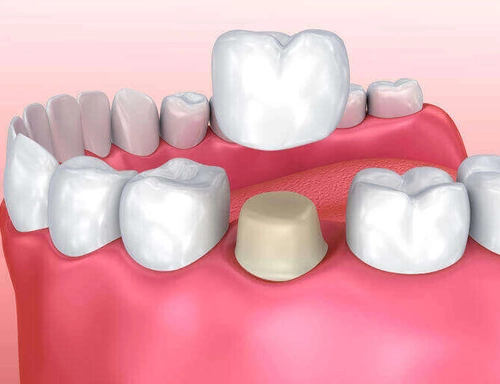
Both your dental health and the way your smile looks might be impacted by a broken, weak, or discolored tooth. By covering the visible part of a tooth, dental crowns provide a workable option that helps restore the tooth’s strength, form, and functionality. Knowing your choices is crucial, whether you need to safeguard a tooth after intensive treatment or make it look better.
You may understand how restorative dentistry can improve your smile by investigating cosmetic dental crowns, and you can make an educated choice based on durability, esthetics, and your unique dental requirements by learning about the best dental crown material.
Dental Crowns: What Are They?
A custom-made covering for a weak or broken tooth is called a dental crown. It helps shield the remaining structure from further harm while restoring the tooth’s outward form. Crowns may also be used to support specific dental restorations or to repair teeth that have had root canal therapy.
A crown covers most or all of the visible section above the gum line, in contrast to a filling, which fixes a specific region of a tooth. The tooth may be more stable and able to sustain typical biting and chewing pressures because of its coating.
Crowns are made to fit comfortably next to neighboring teeth. To get the right outcome, treatment planning takes into account their size, shape, and color. The final restoration’s appearance and functionality are influenced by the material selection and the state of the underlying tooth.
When Would a Dental Crown Be Necessary?
A cosmetic dental crown isn’t necessary for every injured tooth, but in certain cases, it could be a good choice. A dental examination aids in determining if a crown is required and whether the issue may be resolved with another course of therapy.
Typical justifications for suggesting a crown include:
- Severely weakened teeth: Teeth that are severely compromised may not have enough natural tooth structure to endure daily biting pressures due to extensive decay or a big filling.
- Broken or cracked teeth: Depending on the severity of the damage, a crown may help preserve the remaining tooth structure and restore its functionality.
- After root canal treatment: Following root canal therapy, certain teeth become more prone to fracture; hence extra protection is advised.
- Worn-down teeth: When necessary, a crown may be considered since significant wear may alter a tooth’s form and function.
- Enhancing the look of teeth: When other appropriate treatments are inadequate, a crown might be used to cover certain damaged, discolored, or malformed teeth.
Before prescribing therapy, your dentist will examine the tooth, gums, and bite. When choosing a restoration, maintaining the tooth’s original, healthy structure is still crucial.
Various Dental Crown Material Types
Dental crowns may be constructed from a variety of materials, each with unique benefits. The position of the tooth, the amount of biting pressure it receives, your esthetic preferences, and your general dental health all influence the best option.
Ceramic and Porcelain Crowns
When a natural-looking appearance is crucial, porcelain and other dental ceramics are popular choices. These materials are especially helpful for portions of the mouth that are visible since they may be made to mimic the color and translucency of real teeth.
Because ceramic crowns may fit in well with neighboring teeth, they might be a good option for repairing front teeth. However, different ceramic materials have different strengths and wear characteristics; thus, the particular kind should be chosen based on the location of the tooth and its functional needs.
Metal Crowns
Metal crowns are renowned for their durability and wear resistance. They may be taken into consideration for those back teeth where appearance is less crucial since they can tolerate strong chewing pressures.
They are often less appropriate for individuals looking for a tooth-colored restoration in a conspicuous location because of their obvious metallic color. Their appropriateness also relies on the available materials and each person’s unique dental demands.
Metal-to-Porcelain Crowns
These crowns have a porcelain exterior and a metal foundation. While the porcelain gives a more natural-looking surface than a completely metallic crown, the metal provides structural strength.
Strength and attractiveness may be balanced with this combo. But in some situations, the porcelain covering could crack, and over time, the underlying metal might show up close to the gum line.
Crowns of Zirconia
A durable ceramic used in dental restorations is zirconia. Zirconia crowns may provide a mix of strength and acceptable esthetics, depending on the specific formulation and design.
Depending on the patient’s demands, they could be taken into consideration for either the front or rear teeth. The distinctions between the various zirconia alternatives and whether one is appropriate for the tooth being repaired may be explained by your dentist.
Can Dental Crowns Make Your Smile Look Better?
Crowns may be used for both cosmetic and therapeutic reasons. A well-crafted crown may enhance the look of a broken, irregularly shaped, or noticeably discolored tooth while safeguarding the underlying structure.
When the objective is to achieve a more balanced smile without sacrificing the functional needs of the tooth, cosmetic dental crowns may be taken into consideration. A uniform look may be achieved by shaping and coloring the restoration to match the surrounding teeth.
For strictly esthetic reasons, crowns aren’t always the best option, however. Professional whitening, bonding, or veneers could provide a more conservative option, depending on the state of the tooth.
A comprehensive examination aids in determining if a crown is required or whether another course of action would better maintain the tooth’s original structure. Achieving a suitable balance between look, function, and long-term oral health is the goal.
Keep Your Teeth Safe Using the Appropriate Dental Crown
When chosen properly, dental crowns may improve chewing performance, repair damaged teeth, and improve the look of your smile. You may approach treatment with more confidence if you understand cosmetic dental crowns and compare the best dental crown material for your circumstances.
To schedule a consultation and go over your dental crown alternatives, get in touch with Nikahd Dental. The experts may assess your tooth, discuss appropriate materials, and assist you in selecting a treatment plan that supports a healthy-looking smile, protects your natural tooth, and restores function.
FAQs
- How long do dental crowns last?
Dental crowns can last many years with proper oral hygiene, regular dental check-ups, and appropriate care.
- Which material is best for dental crowns?
The best material depends on the tooth’s location, chewing pressure, aesthetic preferences, and overall dental health.
- Are dental crowns suitable for front teeth?
Yes, tooth-coloured ceramic or porcelain crowns may be suitable for restoring damaged front teeth.
- Is getting a dental crown painful?
The procedure is performed using local anaesthesia to minimise discomfort. Mild sensitivity may occur afterward.
- How should I care for my dental crown?
Brush twice daily, floss regularly, avoid biting hard objects, and attend routine dental examinations.