
More than just how your smile looks, might be impacted by missing teeth. They may affect speech, cause discomfort while eating, and eventually cause neighboring teeth to move. Thankfully, dental bridges provide a workable solution to close these gaps and reestablish regular oral function.
Making an educated choice may be aided by knowing how dental bridges corona operate, what alternatives are available, and what to anticipate during the procedure. A well-designed fixed dental bridge may maintain a balanced bite and a smile that looks natural while replacing lost teeth.
A Dental Bridge: What Is It?
One or more lost teeth may be replaced with a dental bridge, a restorative dental device. Depending on the kind of bridge chosen, neighboring natural teeth or dental implants support the artificial teeth that fill the vacant area.
A classic fixed bridge is fastened in place and is not intended to be removed on a daily basis, in contrast to removable dentures. The pontic, or replacement tooth, fills the space while the supporting elements maintain the stability of the restoration during everyday activities like eating and speaking.
Both functional and cosmetic issues may be resolved with a fixed dental bridge. In addition to restoring the continuity of your smile, replacing missing teeth may lessen the chance that neighboring teeth may drift into the gaps. However, the number and location of missing teeth, the state of the supporting teeth, and your dental health all affect appropriateness.
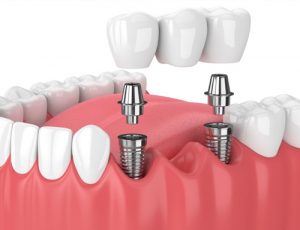
Recognizing the Various Dental Bridge Types
Dental bridges come in a variety of designs. The position of the lost tooth, the state of the neighboring teeth, and the restoration’s available support all influence the best choice.
Conventional Fixed Bridges
Crowns are often positioned on prepared teeth on each side of the gap in a traditional bridge. A prosthetic tooth placed between these crowns is supported by them. When the neighboring teeth are robust enough to sustain the restoration, this method could be appropriate.
The bridge provides a practical substitute for removable tooth replacements since it stays in place. However, some natural tooth structure must be removed in order to prepare the supporting teeth; this should be taken into account when planning the course of therapy.
Bridges with cantilevers
On just one side of the gap, a tooth or other supporting structure supports a cantilever bridge. In some circumstances, when the location and biting forces make this design suitable, it could be taken into consideration.
This method is not safe for replacing every lost tooth. The surrounding teeth and the amount of pressure the bridge is expected to encounter when chewing must be assessed by your dentist.
Bridges Bonded with Resin
A framework or supporting wings are affixed to the backs of neighboring teeth in a resin-bonded bridge. Compared to a traditional bridge, this design may need less preparation, allowing for the preservation of more natural tooth structure.
Although the state of the supporting teeth and the stresses applied to the restoration affect its suitability, it is often taken into consideration in specific situations affecting front teeth.
What Takes Place While Receiving Dental Bridge Therapy?
Examining the patient, preparing any necessary supporting structures, and placing the finished restoration are all common steps in the therapy procedure. The dental bridge front teeth design determines the precise procedures.
Step 1: Dental Examination
Your dentist examines your bite, the surrounding teeth and gums, and the missing tooth or teeth. When more information is required to comprehend the underlying anatomy, dental imaging may be advised.
This evaluation aids in determining if a bridge is appropriate and which design could provide sufficient support.
Step 2: Getting the Supporting Teeth Ready
The supporting teeth of a conventional bridge are meticulously molded to fit the crowns. The treatment strategy and the state of the teeth determine how much preparation is necessary.
Various preparatory techniques could be needed for various bridge designs. The suggested course of action for your situation will be explained by your dentist.
Step 3: Making the Repair
To ensure that the bridge precisely fits the area, measurements or imprints are collected. The final restoration’s look, bite alignment, and adjacent teeth must all be taken into consideration.
When necessary, a temporary repair may be offered while the permanent bridge is being built.
Step 4: Bridge Fitting and Securing
Your dentist inspects the bridge’s fit, look, and contact with the opposing teeth when it is ready. Before the restoration is completed in accordance with the chosen treatment approach, any required modifications are performed.
Additionally, you will get advice on how to maintain the health of the gums and teeth that support the bridge.
Get the Correct Dental Care to Restore Your Smile
Replacing lost teeth may promote speech, enhance eating, and improve the look of your smile. A professional examination is the first step in selecting a suitable treatment, regardless of whether you are thinking about getting a bridge for one or many missing teeth. While a well-designed dental bridge front tooth repair may fill in gaps in a visible portion of your mouth, researching dental bridge crown options will help you comprehend the options available.
To discuss and schedule a consultation for your tooth replacement requirements, get in touch with Nikahd Dental. The team can evaluate your dental health, discuss appropriate bridge choices, and assist you in making plans for the following stages that will lead to a fuller and healthier smile.
FAQs
- How long do dental bridges last?
Dental bridges can last many years with proper oral hygiene, regular dental check-ups, and professional maintenance.
- Are fixed dental bridges removable?
No, a fixed dental bridge is secured in place and is not designed for daily removal.
- Can a dental bridge replace front teeth?
Yes, a dental bridge can replace missing front teeth while restoring the appearance and continuity of your smile.
- Does getting a dental bridge hurt?
The procedure is usually performed with local anaesthesia to minimise discomfort. Some temporary sensitivity may occur afterward.
- How do I care for a dental bridge?
Brush twice daily, clean underneath the bridge with suitable dental aids, and attend regular dental check-ups.