
Tooth pain is the worst! It often happens when you eat something. You experience sharp pain. This toothache gives you sudden discomfort and leaves you with wincing pain. However, it fades with time and returns when least expected. People usually assumed it to be a sensitivity issue or just a small dental problem. They wait and think that the pain will go away on its own. But teeth do not heal like skin. And left to reach its nightmare scenario, when the damage becomes irreversible.
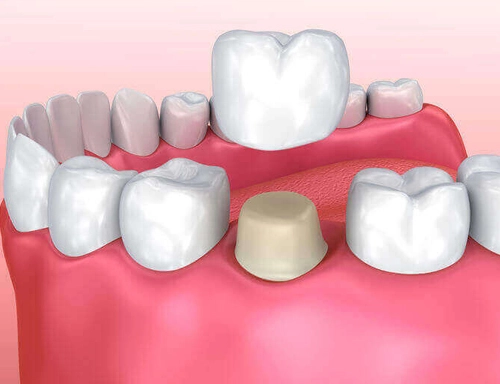
A damaged tooth continues to weaken with time. What starts as mild discomfort turns into serious damage. This is where tooth crowns become important. Many people also refer to them as dental caps. They act as a strong outer layer that protects your tooth and restores its function. Before you decide anything, you need to understand what is actually happening inside your tooth.
What is really happening to your tooth?
There are several layers in your tooth, and all contribute to the strength of that tooth. The enamel is the outermost layer. It is tough, and it can never mend itself when broken. Below it is dentin that is soft and sensitive. In the middle, there is pulp, where nerves are found.
Damage normally starts at the surface and travels inwards. Otherwise, it penetrates deeper and causes pain or infection.
Common causes of tooth damage
Some common daily factors can make your teeth weaker as time goes by:
- Bacteria and acid cause tooth decay.
- Biting hard foods gives cracks.
- Injury from accidents.
- Grinding of teeth when sleeping.
- Old or large fillings that compromise the structure.
Each of these weakens your tooth. In the long run, the tooth becomes susceptible to cracks and fractures.
Why a weak tooth cannot heal
Enamel does not regenerate as other parts of your body do. When it is broken or worn out, it remains so. This leaves the inner layers exposed. As a result, you may notice sensitivity to hot or cold foods. Chewing may also be painful. Each bite causes stress, and it can increase the damage.
Warning signs you should not ignore
Your tooth often gives early signals. Pay attention to these signs:
- Pain while chewing food
- Sensitivity that lingers
- A visible crack or line
- Rough or uneven edges
- Pain that comes and goes
These signs mean your tooth needs attention. Ignoring them increases the risk of severe damage.
When a Dental Crown Is the Right Solution
Not all dental problems need a crown. But when a tooth is weak, it requires vigorous protection. This is where dental caps come in. The top of your tooth is covered by a crown, which is visible. It keeps the structure in place and decreases pressure when chewing. This prevents further damage.
Situations where a crown is often needed
A dentist may recommend a crown in the following cases:
- A broken tooth that can be salvaged.
- A large cavity that weakens the structure.
- A broken or failed filling.
- A tooth has undergone a root canal.
- Chewing pain is a sign of structural damage.
For example, after a root canal, the tooth becomes brittle. It has lost the support within itself. In such cases, tooth crowns provide the protection needed to prevent fractures. Simply put, a crown reinforces what is left of your tooth. It allows you to use it normally again.
Can You Avoid a Crown? (When Other Options Work)
It is natural to ask if you can avoid a crown. A lot of individuals seek a less complicated or cheaper treatment. In other instances, it is possible.
Alternative treatments
Here are the most common options:
Fillings
Small cavities are better with fillings. They rebuild the form of the tooth and prevent further decay. However, they do not provide full strength. They cannot withstand big damage.
Inlays and Onlays
These are lab-made restorations that are custom. They cover part of the tooth and offer more strength than fillings. They are effective with moderate damage.
The honest truth about alternatives
There are limitations to these options. They are used in situations where the damage is minimal. When your tooth is already weak or has been broken down, it might give way to pressure. Crown offers complete coverage. It spreads the pressure equally on the tooth. This reduces the risk of further damage. By opting for a smaller solution in a serious case, one might create bigger problems in the future. It might also lead to loss of teeth in certain instances.
Crown Materials — Which One Is Best?
What you use as your crown influences strength and looks. Many patients ask about the best dental crown material. It depends on what you need.
Common types of crown materials
Ceramic or Porcelain
These crowns provide a natural look. They are the same color as your teeth. They are commonly used by dentists on front teeth, where appearance is most important.
Zirconia
Zirconia is also a strong and durable material. It is able to withstand high bite force. It is also appealing, making it a trendy choice. Many consider it the best dental crown material for the balance between strength and appearance.
Metal or Gold
These crowns are very strong. They last for many years without damage. However, they do not look natural. They are normally placed by the dentist at the back teeth, where they are not easily spotted.
Porcelain Fused to Metal
This form is a mixture of a metal base and an outer layer of porcelain. It is strong as well as natural in appearance. But with time, a fine strip of metal can be seen around the gum.
How dentists choose the right material
Dentists do not choose randomly. They consider several factors:
- The position of the tooth
- The amount of pressure during chewing
- Your aesthetic preference
- Your budget
There is no single perfect choice for everyone. The right material is the one that fits your situation.
What to Expect During the Procedure
A lot of individuals are nervous about dental treatments. Knowing what to expect can make the process easier.
Steps involved
- Tooth preparation
The dentist removes the damaged portion of your tooth. They carve it out to fit the crown. To make sure that you are not experiencing pain, local anesthesia is injected.
- Temporary crown
A temporary crown is set to cover your tooth. You need to wear it for a short while. During this time span, you must not take any hard or sticky food.
- Final crown placement
Your custom crown is made in a laboratory. When the crown is ready, the dentist positions it carefully. After that, Dentist check your bite. If you feel uncomfortable with the fit, the dentist adjusts it accordingly.
Pain and recovery:- You may experience slight sensitivity after the procedure. This is normal and temporary. Most people return to their routine within a day.
Why Acting Early Can Save Your Tooth
Timing plays a key role in dental care. Acting early can prevent serious complications.
Benefits of early treatment
- Stops cracks from spreading
- Protects inner tooth layers
- Prevents infection
- Reduces the need for extraction
- Saves money over time
- Restores normal chewing ability
Many patients choose dental caps early to avoid complex treatments later.
Final Thoughts
A weak or painful tooth is not something to ignore. It is your body signaling a problem that needs attention. If left untreated, the damage can worsen. What could have been a simple solution may turn into a complex procedure. Tooth crowns provide a reliable way to protect and restore your tooth. They help you maintain your natural smile and function. If your tooth feels cracked, weak, or painful, do not delay. Schedule a dental checkup at NIKAHD DENTAL and get a clear diagnosis. Take action now to save your tooth and control future problems.